


Take a moment to think about some of your favorite brands.
Chances are, many were started and built by women. But here’s the reality: Rome wasn’t built in a day, and neither is a thriving business.
Behind the headlines about successful female entrepreneurs are often humble beginnings — businesses launched in basements, as side hustles, or despite the odds stacked against them.
Many of today’s most successful women in business didn’t start with massive funding or perfect plans. They started small with scrappy ideas, bold decisions, and the courage to keep going.
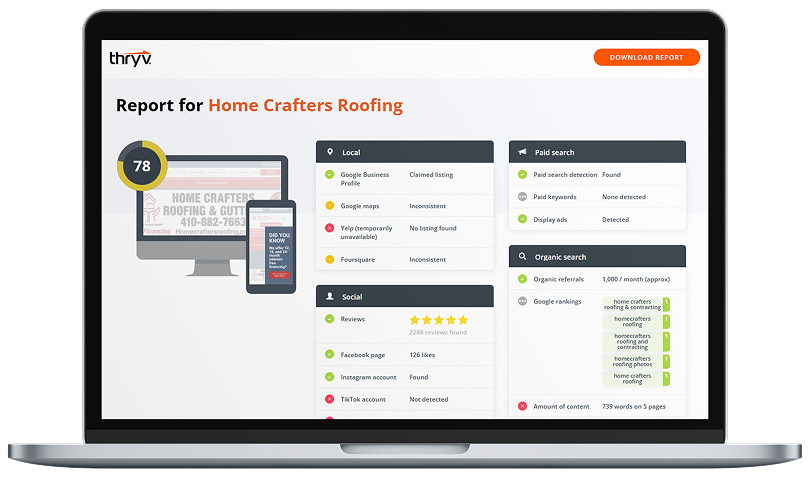
Free: Online Presence Scan See how your business compares to the competition and find out what customers are saying about you.
Their stories prove something powerful: Starting small can be the strongest foundation. Let’s celebrate 10 women who turned humble beginnings into incredible success.
10 Successful Women in Business Who Built Empires from the Ground Up
The women you’re about to read about didn’t inherit empires — they built them from scratch. Each of these entrepreneurs turned bold ideas into lasting businesses that millions know, love, and are inspired by daily.
1. Madam C.J. Walker – Madam C.J. Walker Manufacturing Company

Orphaned at a young age, Madam C.J. Walker (born Sarah Breedlove) knew how difficult it was to get ahead. Determined to change her circumstances, she launched a hair-care brand designed specifically for Black women that revolutionized the beauty industry.
Her products were not only effective, but they also empowered Black women to embrace their natural hair and take pride in their appearance. Then, by building a network of door-to-door sales agents to sell her products, she expanded her reach far beyond her local community.
By the time of her death in 1919, Madam C.J. Walker had shattered racial and gender barriers, becoming the first self-made female millionaire in the U.S. and building an empire that provided economic opportunities for thousands of other Black women.
Her story is an inspiration to aspiring entrepreneurs, especially women and people of color, who continue to face systemic barriers in the business world today.
Takeaway: Solve a real problem your audience faces, scale with a smart distribution plan, and don’t underestimate the impact of empowering others along the way.
2. Mary Kay Ash – Mary Kay Cosmetics

Mary Kay Ash launched her business in 1963 with $5,000 and a bold vision: Empower women to succeed on their own terms. From a small office, she launched Mary Kay Cosmetics, and her leadership philosophy set her brand apart.
By celebrating consultants’ achievements and offering incentives, she built a motivated, loyal sales force and a culture of recognition that fueled rapid growth.
Today, Mary Kay Cosmetics is a global beauty brand, with thousands of independent consultants pursuing their own entrepreneurial goals. Ash’s people-first approach and commitment to empowerment have made her an enduring icon for women in business.
Takeaway: Put people first by celebrating their wins and creating growth opportunities — and your business can thrive alongside them.
3. Sara Blakely – Spanx

Working from her apartment in 2000, Sara Blakely cut the feet off her pantyhose to create the first prototype of Spanx, aiming to solve a problem every woman knew but no one had addressed.
After countless rejections from stores, one buyer at Neiman Marcus agreed to give her product a chance. Fast forward to today, Spanx has expanded into leggings, activewear, and more, selling millions of products worldwide.
That single opportunity and Blakely’s mix of product innovation, persistence, and sharp marketing strategy ultimately took Spanx from a one-woman startup to a household name.
Takeaway: Keep testing, stay resilient, and don’t be afraid to create a unique product that solves a real problem. Your persistence can turn a small idea into a global business.
The Guide to Running an Efficient Small Business
Boost productivity and cut time-wasting tasks with expert tips in this free guide.
4. Peggy Cherng – Panda Express

In 1973, Peggy Cherng was an engineering student when her father and husband bought a small Chinese restaurant, Panda Inn, in Pasadena, California. Curious and eager to help, she started working weekends and quickly realized her technical skills could make a real difference.
Peggy left her engineering work to focus full-time on the restaurant, creating one of the first computerized point-of-sale systems, improving training, tracking inventory digitally, and collecting customer reviews.
In the 1980s, a mall developer invited the Cherngs to open Panda Express, a new concept that became the blueprint for rapid expansion to other locations. Peggy became company president in 1997, and today, Panda Express has over 2,000 locations worldwide and generates billions in revenue.
Takeaway: Don’t underestimate the power of your past experience. What you’ve learned can spark big growth.
5. Oprah Winfrey – Harpo Productions

Oprah Winfrey’s journey began in her teens, co-anchoring the evening news at just 19. When she moved to Chicago, she took a struggling local talk show and transformed it into The Oprah Winfrey Show, which became a national phenomenon.
Reflecting on her early decisions, she told Time, “I made every single choice of my career based on my gut. I would literally ask myself, ‘Does this feel right?’” That instinct paid off, and she carried it into her next venture: launching Harpo Productions, a multimedia company spanning television, film, publishing, and even a cable network.
Takeaway: Take bold risks and trust your instincts. Your gut can guide the decisions that lead to growth, opportunity, and long-term success.
6. Whitney Wolfe Herd – Bumble

Whitney Wolfe Herd started her career with a bang: by co-founding Tinder, a popular dating app. But she wanted to create a space where women could take control, so she left to launch Bumble, a dating app that gives women the power to send the first message when they match with men.
As it would turn out, Whitney’s unique approach to the dating app world worked out, big time. She grew Bumble into a multi-million-dollar company and a household name.
Beyond building a business, Wolfe Herd has used her platform to advocate for gender equality and women’s rights, speaking out against harassment and fostering an inclusive workplace culture.
Takeaway: Stand up for what you believe in and build a business that reflects your values. When you empower others, your company can grow stronger and make a bigger impact.
7. Emily Weiss – Glossier

Emily Weiss’ journey into business started in a unique way, with a blog called Into the Gloss.
It launched as a platform for honest beauty reviews and interviews with influencers, and it quickly drew a devoted audience. By 2013, over 2 million readers visited each month.
Seeing an opportunity to turn her readers into customers, Weiss launched Glossier in 2014. As social media platforms like Instagram and TikTok exploded, she leveraged them to grow her brand even faster. Fast-forward 10 years later, Glossier now generates roughly $100 million in sales, and Into the Gloss continues to engage a million followers on Instagram!
Takeaway: Start with understanding your audience and delivering real value. Building trust first can turn a small idea into a business with huge reach.
8. Ellen Latham – Orangetheory Fitness

Ellen Latham began her career as a physiologist and, by age 40, was thriving in her dream job at a high-end spa in Miami — until she was unexpectedly fired.
Instead of giving up, she launched Ellen’s Ultimate Workout, a Pilates studio in Ft. Lauderdale. Building a loyal local following taught her the power of community and scalable fitness programming. This insight led to her opening the first Orangetheory Fitness studio with her business partner Jerome Kern.
Since its launch in 2010, Orangetheory has grown to over 1,500 locations nationwide and generates around $1 million per studio annually.
Takeaway: A career setback can be a pivot point. Focus on what you do best, listen to your community, and scale what works
9. Lisa Price – Carol’s Daughter

In 1993, Lisa Price launched Carol’s Daughter in Brooklyn, NY, selling haircare products that catered to a variety of textures and curl types at flea markets and local festivals. By 1999, she opened her first boutique.
The key pivot came in 2000, when she became one of the first haircare brands to sell directly to consumers. She then appeared on The Oprah Winfrey Show in 2002, which skyrocketed her exposure and helped the brand reach a wider audience.
Carol’s Daughter grew fast, generating over $2 million in sales, opening a Harlem location in 2005, and landing spots on Home Shopping Network and Target. In 2014, the brand was acquired by L’Oréal USA.
Takeaway: Start small, know your audience, and leverage every opportunity to get in front of the right people!
10. Vera Wang – Vera Wang Brand

Before becoming a world-renowned bridal designer, Vera Wang was one of the youngest editors at Vogue and later worked for Ralph Lauren. By 1990, she launched her own bridal business in New York, quickly making a name for herself with celebrity clients like Mariah Carey.
Wang’s success took on a whole new level when she expanded her business to offer other attire. She’s crafted gowns for red-carpet events, costumes for figure skaters, and, eventually, casual “ready-to-wear” clothing featured in TV series like Sex and the City.
Today, the Vera Wang brand generates roughly $800 million annually and was recently acquired by WHP Global, cementing its status as a global fashion powerhouse.
Takeaway: Leverage your expertise to find a niche where you can stand out! Then, expand from there.
Business Women & Entrepreneurs From This Year (2026)
The next generation of successful women in business is already taking shape. These women are still early in their journeys, but their vision, drive, and creativity are setting them apart. Here are three female entrepreneurs who are climbing fast in 2026!
11. Amira Rasool

Amira Rasool is the CEO and Founder of The Folklore, a commerce solution that helps small brands create digital storefronts and sell products online. Her company works mostly with Black-owned businesses and African-based fashion and retail brands.
Rasool started her brand with a $30K investment and has raised over $6 million in funding for her startup since 2018. She was featured on the Forbes 30 Under 30 list in 2024 and is among the youngest Black women to raise over $1 million in pre-seed funding.
Today, The Folklore supports over 700 brands and includes a retail shop where customers can buy local products. Rasool wants to “invest in building Africa’s economy” and believes that brands like hers can help fuel African economies by increasing exports and production.
12. Fungai Ndemera
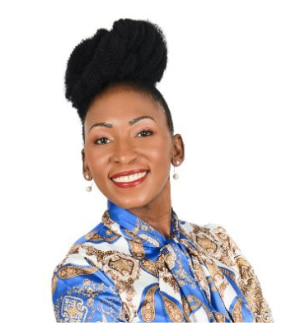
Fungai Ndemera is a female health tech entrepreneur and business mentor for leaders in the healthcare industry. She’s the founder of CheckUp Health, a software that supports healthcare providers with consultations and prescription writing.
Ndemera has won several awards for her work in business development, healthcare, and tech. In 2025, the African Business Chamber named her one of the Top 100 African Entrepreneurs and Business Leaders in the UK.
Ndemera is also very active on YouTube and social media. Her YouTube channel is filled with exclusive interviews with business leaders and entrepreneurs who share their success stories and advice. She also has case studies on her website and writes blogs about topics like AI, business growth, and tech trends.
13. Ximena Garcia

Ximena Garcia founded Shamanflora, a plant-based healing center in Peru. She originally worked for brands like Slack and Salesforce, but found her passion for personal growth and created a space where people can overcome challenges like depression and anxiety.
Garcia purchased Shamanflora in 2020 after visiting the retreat earlier that year. She rebranded the company and combined ancient traditions from the Amazon Rainforest with modern luxuries. Her healing center is world-renowned and recognized as one of the best retreats in Peru.
Garcia hosts a weekly podcast in which she talks about her experience, interviews guests, and explores thought-provoking discussions. It’s a wholesome and spiritual conversation that centers around personal development.
The Guide to Running an Efficient Small Business
Boost productivity and cut time-wasting tasks with expert tips in this free guide.
Another Story Worth Celebrating
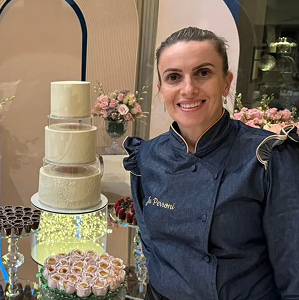
Ju Perroni turned her love of baking into Amazing Cakes and Sweets, a family bakery in Georgia she started with her husband, Leandro. Orders were coming in, but Ju wanted to reach even more customers.
In just one year, she grew sales from $4,000 to nearly $20,000 a month, boosted orders from 23 to over 100 per month, and increased repeat business by 30-40%. Streamlining estimates, contracts, and payments freed up time for Ju to focus on what she loves most: creating cakes that delight customers.
Ju’s story shows how passion, focus, and the right tools can transform a small family bakery into a thriving business — one cake at a time.
Ju built her business with Thryv. Discover what it can do for your business with a free demo.
Successful Women in Business: Statistics
I mentioned earlier that women have been at the center of business innovation. Here are a few stats to back that up:
- Women-owned businesses in the U.S. generate more than $2.5 trillion to the national economy each year.
- Women-owned businesses employ 12.6 million workers.
- Women in the United States own 40% of small businesses.
- Women started nearly 29% of new businesses in 2019, and by 2024, that number had grown by 69%.
These numbers aren’t just data points — they show the profound influence and impact women have in shaping the business landscape. And if you’re building your own business, you’re a part of this powerful community of innovators.
Related Article: READY TO MAKE HISTORY? 6 RESOURCES FOR WOMEN-OWNED BUSINESSES
From Small Beginnings to Big Impact
Every business starts somewhere — a home office, a kitchen, or even just a single idea. The stories you’ve read show that with focus, persistence, and smart tools, small beginnings can grow into thriving ventures. So, trust your vision, and take the next step, no matter how small, because your journey is already part of a bigger story of successful women in business.